Estimated reading time: 5 minutes
Celebrating Indigenous Excellence: 6 Indigenous Speakers You Should Know
June is National Indigenous History Month in Canada, a time to listen, learn, reflect, and celebrate the voices shaping a more inclusive future. Across the country, Indigenous keynote speakers are helping audiences better understand history, culture, identity, reconciliation, leadership, and resilience through powerful storytelling and lived experience.
At Talent Bureau, we’re proud to work with Indigenous keynote speakers in Canada who bring depth, heart, and perspective to conferences, corporate events, schools, community gatherings, and leadership programs. These speakers educate, inspire, and challenge audiences to think more deeply about the stories, systems, and relationships that shape our world.
Below, we’re highlighting six remarkable Indigenous speakers whose work continues to spark meaningful conversations and create lasting impact on stage and beyond.
6 Indigenous Speakers in Canada | Indigenous History Month

Ashley Callingbull
Miss Universe Canada. Actress. Model. TV Host.
Ashley Callingbull made history as the first Indigenous woman to win the title of Mrs. Universe, and she hasn’t stopped breaking barriers since. A survivor of domestic violence and intergenerational trauma, Ashley speaks with honesty and heart about resilience, identity, and the power of reclaiming your story. Whether she’s on screen, on stage, or walking a red carpet, Ashley shows up with strength, purpose, and pride.
Popular Speaking Topics:
- Indigenous representation
- Overcoming adversity
- Empowering women and youth
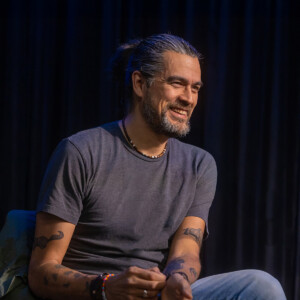
David A. Robertson
Acclaimed author. Graphic novelist. Advocate for Indigenous stories and mental health.
David A. Robertson is one of Canada’s most celebrated literary voices. A member of Norway House Cree Nation, David brings Indigenous stories, history, and lived experience to audiences through award-winning books, graphic novels, podcasts, and powerful keynotes.
His work explores identity, family, reconciliation, mental health, and the importance of storytelling. Whether he’s speaking to educators, corporate teams, or community audiences, David creates space for honest reflection, empathy, and meaningful dialogue.
Popular speaking topics:
- Indigenous storytelling and reconciliation
- Mental health and resilience
- Education, creativity, and community building
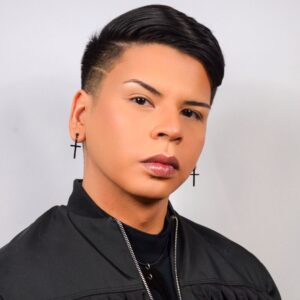
Scott Wabano
Fashion trailblazer. 2Spirit advocate. Creator of space.
Scott Wabano isn’t just making clothes—they’re making change. As a 2Spirit fashion designer and advocate, Scott blends tradition and trend with powerful purpose. Their talks challenge colonial norms, amplify queer Indigenous joy, and celebrate the intersection of art and identity. Scott’s message? Be proud. Take up space. And don’t let anyone dim your shine.
Popular speaking topics:
- 2Spirit identity and empowerment
- Indigenous creativity and fashion
- Queer inclusion and advocacy

Dr. Candace Manitopyes
Indigenous educator. Leadership expert. Founder of Relentless Indigenous Woman Co.
Dr. Candace Manitopyes is a proud Moose Cree woman, educator, speaker, and founder of Relentless Indigenous Woman Co. Her work sits at the intersection of Indigenous education, leadership, justice, and transformative change.
With a PhD in Educational Leadership and deep experience in community-centred education, Dr. Manitopyes helps audiences move beyond performative allyship toward real action. Her keynotes and workshops blend academic insight, lived experience, humour, and truth, offering a powerful path toward Indigenous solidarity and lasting change.
Popular speaking topics:
- Indigenous education and decolonial leadership
- Moving beyond performative allyship
- Women in leadership and Indigenous sovereignty
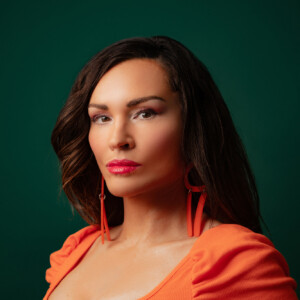
Angela Sterritt
Award-winning journalist. Truth-teller. Changemaker.
Angela Sterritt doesn’t shy away from tough conversations. Her work as a journalist—and her acclaimed memoir, Unbroken—shines a powerful light on injustice, especially toward Indigenous women.
Through storytelling and deep reporting, Angela brings the issues into focus and challenges audiences to think critically, act ethically, and move forward with empathy.
Popular speaking topics:
- Media and Indigenous representation
- Truth and reconciliation
- Women’s safety and justice

Carey Price
NHL legend. Leader. Quiet powerhouse.
You probably know Carey Price as the superstar goalie who stole hearts on and off the ice. But what you might not know is how deeply committed he is to uplifting Indigenous youth and communities. Proud of his Ulkatcho heritage, Carey speaks with humility and strength about perseverance, leadership, and creating opportunities for the next generation.
Popular speaking topics:
- Mental health and resilience
- Indigenous identity in sports
- Youth mentorship and community support
Why You Should Invite Indigenous Talent to your Event
Indigenous speakers bring more than powerful stories to the stage. They offer perspective, truth, leadership, and practical insight that can help audiences move toward greater understanding, inclusion, and reconciliation. Whether your organization is planning an event for Indigenous History Month, National Day for Truth and Reconciliation, or a year-round learning initiative, the right Indigenous keynote speaker can create a meaningful and memorable experience.
At Talent Bureau, we help event planners, organizations, schools, and associations across Canada find speakers who align with their audience, goals, and values. From bestselling authors and educators to athletes, advocates, journalists, and cultural leaders, our Indigenous speakers bring important conversations to life with authenticity and impact.
Looking to Learn More?
Looking to book Indigenous speakers in Canada for your next event? Explore our full roster or connect with our team to find the right voice for your audience.
Explore our full speaker roster
Reach out to our team to learn more
FAQs – 6 Indigenous Speakers in Canada | Indigenous History Month
June is Indigenous History Month, a time to recognize and celebrate Indigenous speakers in Canada. It’s a time to promote the history, cultures, and contributions of First Nations, Inuit, and Métis peoples.
Because Indigenous excellence doesn’t end when the calendar flips. These speakers bring value all year long, sharing stories, knowledge, and lived experiences that educate, inspire, and connect.
Book them. Pay them fairly. Promote their work. And most importantly, listen to what they’re saying.